

By Jared Freeman, Assistant Vice President with Aviva Risk Management Solutions (ARMS)
Water damage represents one of the most persistent and costly risks to construction projects and, for site managers in western Canada, spring is the time of year to have your guard up.
I’ve been in the risk management space for nearly 25 years. I’ve seen what happens when disaster strikes, and it can be devastating for business owners. Not only do they have to go through a claims process which can be stressful, but oftentimes it may lead to business interruptions.
Part of my job as a risk manager is to get ahead of issues before they become major problems. That’s one of the reasons Aviva Canada has introduced a drone team for our commercial customers, allowing us and our customers to have eyes on places we typically didn’t before.
Virtually every industry could benefit from drone assessments. Large construction sites could have images of difficult-to-access areas, manufacturing warehouses could get a bird’s-eye view of rooftop mechanical issues, and property managers could be prepared to fix significant issues before they become damaging to a structure.
From atmospheric rivers in British Columbia to low-pressure systems in the prairies, May and June are when we see some of the heaviest rains in western Canada, and water exposure is among the top claims drivers in the construction space, with one of the most common examples being water intrusion from heavy rainfall or unsealed envelope openings.
Using eyes in the sky
Using drones can help site managers understand the topography of the site and local exposures like creeks and rivers and give clear images of areas impacted by water pooling. Contractors can use that information to mitigate the risks around them, by doing things like choosing a material laydown area in a dry spot, adding temporary pumps or drainage mats, or applying temporary weather protection to high-risk areas.
Aviva started using drones to help businesses identify their vulnerabilities to weather events in September 2024 and after seeing some of the risk mitigation results we’ve been able to bring to customers, it was an easy decision to expand.
We currently have 11 trained pilots who are able to help out our customers from coast-to-coast. We have four drones in eastern Canada, three in central Canada, one in western Canada, and one that travels nationally for all of our large commercial customers.
Out of sight, out of mind
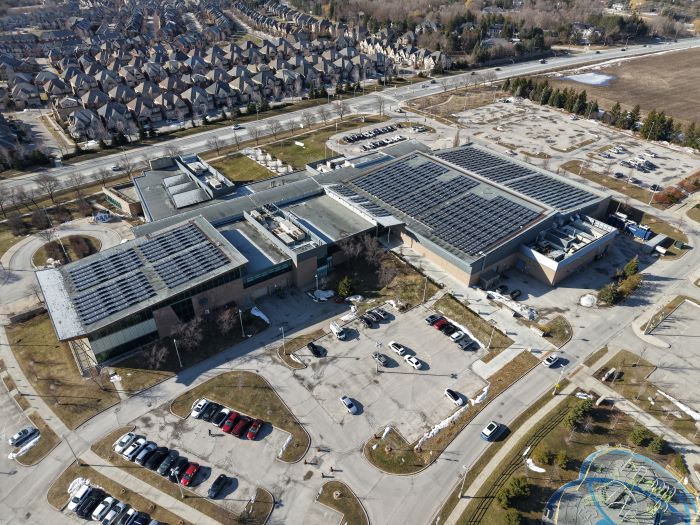
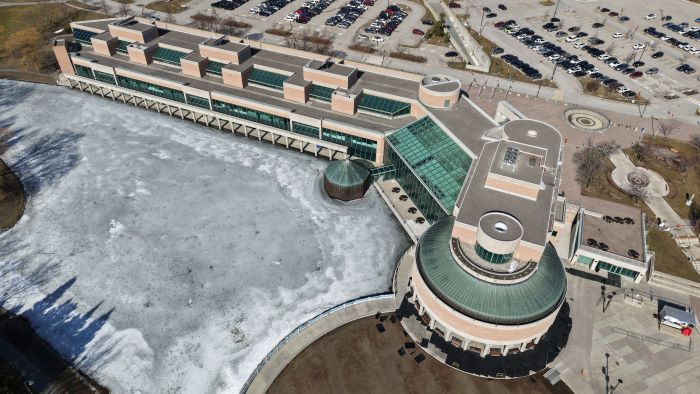
I went to school for fire protection engineering, and shortly after I graduated, I was able to gain risk engineering experience in fields like construction, so I know from experience that you can’t have eyes everywhere at large commercial sites and structures. Recently, we did site surveys for two City of Markham facilities. These are large public properties that need to be as safe as possible in order to service the community safely and effectively.
When we flew our drone over one of the facilities, everything looked great, but closer inspection identified some minor loose roof paneling and loose items left by contractors. This isn’t a major or detrimental issue to a building if it’s identified early and resolved quickly. By offering aerial assessments on our regular commercial site visits, we can help proactively protect job sites and structures from issues that could lead to disruptions or shutdowns.
After the site visit, the City’s insurance risk manager reported back, “Drone technology has significantly enhanced our ability to assess and manage risk – enabling us to conduct inspections on our buildings more effectively and efficiently, when compared to traditional, ground-based methods. Through the use of drones, we are able to cover larger areas and can more easily access hard-to-reach locations with greater speed and agility. Given the impacts of changing weather patterns and aging infrastructure, it’s important for risk managers to consider how inspections are conducted to best support their property management and risk maintenance programs.”
Changing commercial risks
Over the past 25 years, construction methods and building codes have continually changed to keep up with new technologies that have been introduced to drive efficiency. Broader societal priorities have also shifted toward issues such as energy efficiency and sustainability. This changes the materials and systems we use in modern buildings which, in turn, changes the risks.
The increased use of plastics in exterior assemblies is one example of how material changes can alter fire and water exposure profiles. Sprawling land used to be abundant and single-storey large warehouses used to be the norm. Now, construction is being pushed vertically, which has significant implications for risk management and building performance. Understanding how these evolving trends intersect is essential for managing risk in today’s build environment, and it requires every part of the construction life cycle – including insurance – to be innovative.
That’s why we’ll continue to identify ways we can further expand our drones program and our other risk engineering offerings, so that our customers are set up for success.
About Jared Freeman
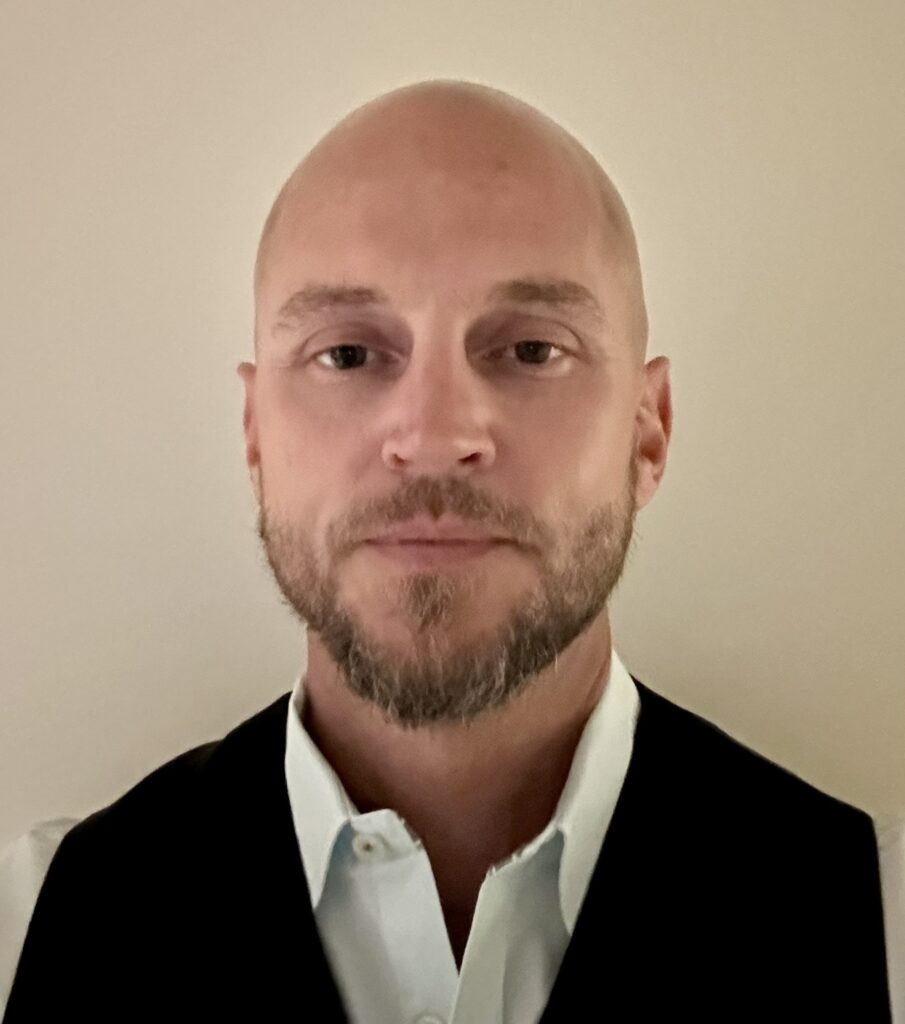
Jared Freeman is an Assistant Vice President with Aviva Risk Management Solutions (ARMS) and has been in the risk management field for nearly 25 years. He grew up in Toronto and studied Fire Protection Engineering at Seneca College.
About Aviva Risk Management Solutions
Aviva Risk Management Solutions (ARMS) helps businesses of all shapes and sizes to identify and mitigate risks for a safer and more resilient day-to-day operation. We offer customized risk management and prevention solutions to help ensure your business is prepared and protected for the unexpected.
Aviva Canada is one of the leading property and casualty insurance groups in the country, providing home, automobile, lifestyle, and business insurance to 2.6 million customers coast to coast. A subsidiary of UK-based Aviva plc, we have the financial strength, scale, and are a trusted insurance provider globally for more than 325 years.
Leave a Reply